
CrowdStrike Is Buying Zscaler for $43.9 Billion: What the Record Deal Means for You
CrowdStrike is acquiring Zscaler in the biggest cybersecurity deal ever. What the two companies do, why they merge, and what changes for a small business.
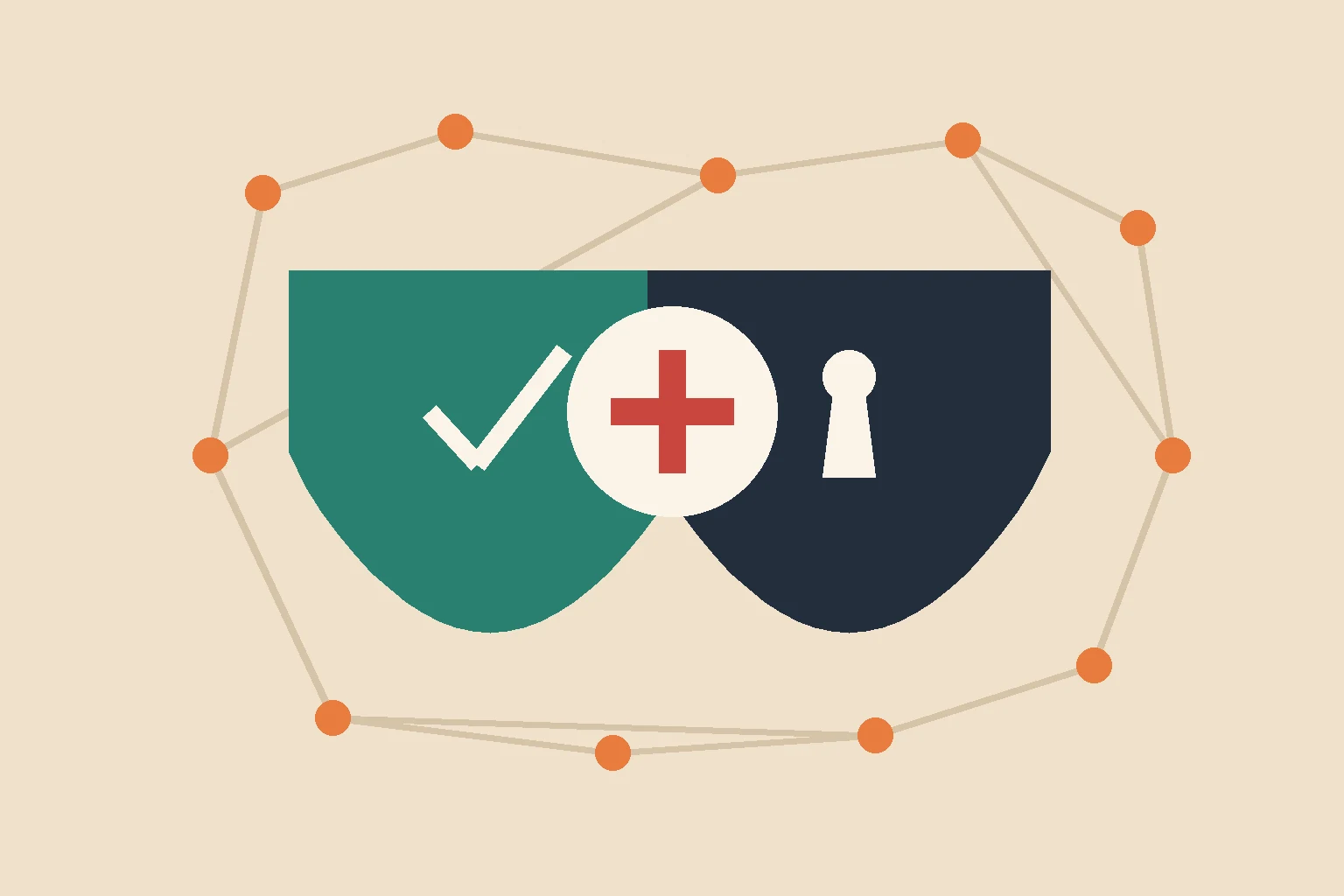
On Monday, CrowdStrike announced it is buying Zscaler for $43.9 billion. It is the biggest cybersecurity acquisition ever, and it says a lot about where security is heading.
If you run a small business, there is a fair chance one of these names sits somewhere in your IT stack. So here is what the deal actually is, in plain words, and what it means for you.
What was announced
CrowdStrike pays entirely in shares. Each Zscaler share becomes 1.135 CrowdStrike shares, worth about $260 at Friday's closing price, a 34% premium. Current CrowdStrike shareholders end up owning about 84% of the combined company, Zscaler shareholders about 16%.
Nothing closes soon. The deal needs approval from Zscaler's shareholders and from regulators, and the companies expect it to complete in the second half of CrowdStrike's fiscal 2028, roughly late 2027. Until then, both firms keep operating independently.
Who these two are
CrowdStrike's product, Falcon, watches devices: laptops, servers, cloud workloads. It spots attackers once they are on a machine. Zscaler does the other half of the job. Its Zero Trust Exchange sits between your people and the internet and checks every connection: who is this user, this app, this request, and should it be allowed?
Put simply, CrowdStrike guards the devices and Zscaler guards the connections between them. Together they cover the whole path an attacker would take.
Why merge now
The official reason is AI. Both CEOs pitched the deal as security for the age of AI agents: software that acts on your behalf needs someone checking what it connects to. CrowdStrike CEO George Kurtz called the goal "cybersecurity's operating system," one control plane for devices and connections.
The business reason is simpler. About 8,000 Zscaler customers are not CrowdStrike customers yet, and the combined company starts with more than $10 billion in annual recurring revenue. Selling each side to the other's base is the whole game.
What it means for a small business
Today: nothing. Your subscriptions keep working, both companies operate as before, and no action is needed from you.
Longer term, expect the two products to merge into one contract and one bundle. CrowdStrike already said Zscaler will move onto its Falcon Flex licensing. That is convenient: one vendor, one bill, one console. It is also a lock-in. Fewer alternatives once you are inside, and less room to negotiate when renewal comes.
Why the stock market booed
Zscaler shares jumped more than 20% on the news. CrowdStrike fell more than 6%. The reason is dilution. Paying in new shares means each existing share owns a smaller slice of a bigger company, and the real price tag floats with CrowdStrike's share price until closing. Investors are not yet convinced the expected savings, about $500 million a year by the company's own estimate, make up for that.
One honest note: this article is a read of the official filing and press coverage, not investment or purchasing advice. I have no inside knowledge of either company.
My take
Security is quietly becoming a one-vendor subscription, the way office software did before it. For a small team that is mostly good news: one agent, one login, one bill.
Just notice what you give up. When every device and every connection reports to the same company, that company sets the price of feeling safe. Convenience goes up, leverage goes down. If your renewal is anywhere near, sign it before this merger closes, not after.
More from this blog: the AI agents CrowdStrike wants to secure are already doing people's shopping. See our guide to AI shopping agents and the launch of Meta's Muse in the UK.
Related articles in Technology

Meta's Muse Now Does Christmas Shopping in the UK: What It Actually Does
Meta launched its AI agent Muse in the UK today, with Sainsbury's, Currys, M&S and easyJet on board. What it does, where it glitched, and why it matters for every shop.

Let AI Hunt Your Black Friday Deals: What These Agents Do and 5 Things to Know First
AI shopping agents promise to find your Black Friday deals this year. What they actually do, and five things worth knowing before you let one near your card.
Google Genie 4 Is Here, and It Is Weirdly Fun
Google released Genie 4 on November 18, 2026: an interactive world model that turns a typed sentence into a place you can walk through. What it does, how it compares to Genie 3, and whether it is worth trying.
Get new Blogtechi articles by email.
Get the latest insights on AI, automation, and future tech delivered to your inbox. You confirm your address first and can unsubscribe at any time.
By subscribing, you agree to our Privacy Policy and Terms of Service.